Waukesha Top Painting Contractor: Reliable Services
Selecting the Best Painting Contractor: Advice for a Flawless Result
Picking a painting contractor can considerably influence the outcome of a project. It necessitates thoughtful assessment of several elements, such as communication skills, experience, and references. A carefully planned approach guarantees clear direction and limits potential complications. Understanding what to prioritize is important. With the right information, homeowners can arrive at educated conclusions that lead to a successful painting outcome. The following sections will detail essential tips and approaches to navigate this process effectively.
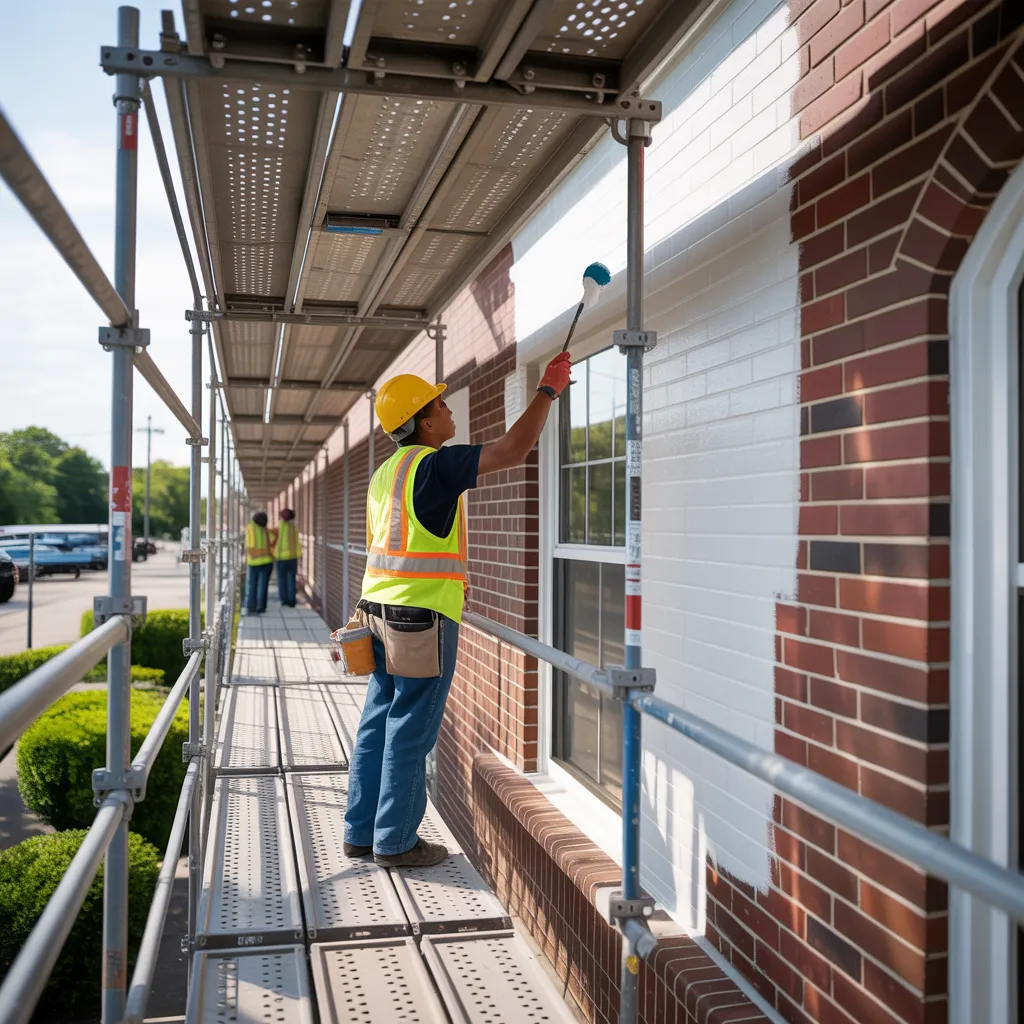
How to Evaluate a Painting Contractor's Experience
When evaluating a paint contractor's expertise, how does one distinguish the genuinely skilled from the less competent? Key indicators include the professional's years in business and their collection of finished work. A experienced professional typically possesses a diverse range of work, demonstrating multiple techniques and styles, which demonstrates flexibility and proficiency. Furthermore, recognizing the kinds of jobs they focus on—commercial, residential, or both—can provide insight into their expertise.
An additional crucial factor is the contractor's commitment to regular professional development. Staying current with the latest industry standards and practices reflects a professional attitude. Obtaining certifications or joining established industry associations can help substantiate their qualifications. In the end, a comprehensive assessment encompasses not just the years in business, but also the range and caliber of completed projects, confirming the contractor has the capability to fulfill particular project demands effectively.
What You Should Look for in References and Reviews
When assessing references and reviews, it is crucial to check for consistency in the caliber of work reported by past clients. Such consistency can suggest reliability and professionalism. Additionally, reviewing the professional's manner of communication through feedback can provide insights into their ability to respond and engage.
Ensure Consistency in Quality
Evaluating feedback and testimonials is vital for establishing a contractor's painting quality consistency. Future clients should focus on feedback patterns rather than singular opinions. Seek out repeated subjects in testimonials—high praise for careful craftsmanship, timeliness, and overall workmanship suggest trustworthiness. Furthermore, take into account the volume of feedback; a professional with a substantial volume of steady favorable testimonials is generally more trustworthy than one with only a few testimonials. Take note of any unfavorable feedback, especially those noting lack of proper communication or work left undone. Finally, ask for references directly from the contractor and contact former clients to acquire personal accounts of their interactions. This detailed process helps guarantee that the hired contractor will provide a quality outcome.
Evaluate Communication Style
How effectively does a paint contractor communicate with clients? This element is vital when assessing prospective contractors. Homeowners should look for reviews that emphasize the contractor's attentiveness and precision in communications. References might show whether the contractor promptly addresses questions or concerns, demonstrating a dedication to client needs. Also, assess the contractor's capacity to describe procedures and schedules clearly. A skilled communicator keeps homeowners fully informed from start to finish. Seek reviews that reference detailed and accurate cost projectionsand clarity concerning products and pricing. Ultimately, effective communication fosters trust and guarantees a smoother project experience, making it an essential consideration when choosing the ideal painting professional.
Key Aspects to Discuss When Hiring a Contractor
What critical considerations should be made when choosing a painting contractor? First, verify the contractor's credentials, including licenses and insurance, to confirm legitimacy and protection against liabilities. Next, evaluate their experience and expertise by asking for references and reviewing past projects. This helps gauge the quality of their work and reliability.
It is also important to talk about the kinds of methods and materials they intend to use, as this influences the appearance and durability of the completed project. In addition, find out about the expected project schedule, as having clear expectations can prevent potential misunderstandings.
Clear communication is vital; verify the contractor is responsive and open to questions. Talk about any warranties or guarantees covering their services, as this gives you peace of mind regarding the standard of work. Additionally, review the contract specifics, confirming all aspects of the project, including commencement and finishing dates, are recorded in writing. Such conversations establish the foundation for a smooth and successful painting project.
Setting a Realistic Budget for Your Project
Setting a realistic budget more info for a painting project starts with defining the project scope, which outlines the specific areas to be painted. Once the scope is established, it is important to account for material costs, such as paints and related materials, alongside labor expenses for the contractor's work. This detailed strategy assures that homeowners can manage their resources efficiently while avoiding unexpected financial burdens.
Define Project Scope First
Establishing the scope of the project is crucial for a successful painting project. This first step involves carefully determining the areas to be painted, the type of finishes desired, and any necessary preparatory work. By outlining these details, homeowners can better understand the complete demands of the job, leading to more precise cost projections. A clearly established scope helps prevent unexpected changes and additional costs during the course of the project. Moreover, it allows for open conversation with possible service providers, ensuring that everyone is in agreement on anticipated results. Investing the time to determine project scope upfront can significantly improve the result, encouraging a smoother workflow and a better overall outcome. Focusing on this step initially lays the foundation for a professionally completed painting job.
Consider Material Costs
When calculating the overall budget for a paint job, property owners must diligently account for supply expenses to maintain financial practicality. This covers the expense of paint, priming materials, application brushes, paint rollers, and additional supplies such as protective drop cloths and masking tape. It is important to opt for superior materials, as they have a direct bearing on the longevity and aesthetic of the completed project. Home improvement planners ought to examine a range of brands and evaluate their pricing to find a balance between quality and cost. Additionally, factoring in the total area to be painted will aid in determining the necessary quantity of supplies, eliminating surprise expenditures. Preparing for unexpected needs, such as extra paint for touch-ups, can also lead to a more thorough and accurate budget.
Factor In Labor Costs
Proper budget planning for a painting project requires close attention of labor expenses, which can considerably affect the overall cost. Workforce expenditure typically accounts for a large part of the overall expenditure, so obtaining detailed estimates from contractors is essential. Professionals may bill on an hourly basis or offer a fixed price based on the extent of the job. It is important to ask regarding the size of the crew and the anticipated timeframe, as these factors can impact total labor charges. Furthermore, appreciating the contractor's experience and expertise can help explain their pricing. By including workforce costs into the financial plan, property owners can prevent unforeseen expenses and support seamless project completion, ultimately leading to a superior outcome.
What Questions Should You Ask Before Signing?
What essential questions should homeowners think about before committing to a contract with a professional painting contractor? First, they should find out about the contractor's experience and references. Understanding their previous work can give a clear picture of the reliability and quality of the contractor. Homeowners should also find out about the paint brands and materials utilized, as this impacts the longevity and finish of the project. Furthermore, talking about the project schedule is essential; understanding the start date and anticipated completion can assist with planning ahead. Homeowners should clarify the payment structure, including required deposits and final payment conditions. Finally, it's important to ask about warranties or guarantees on both labor and materials. Asking these questions helps homeowners find a contractor who matches their standards and requirements, laying the foundation for a successful painting experience.
How to Achieve a Hassle-Free Painting Process With Your Contractor
Maintaining clear communication is vital for securing a successful painting process with a professional contractor. Property owners should articulate their expectations regarding scheduling, color selections, and detailed project specifications. Regular check-ins can assist in resolving any developing problems and keep the project on track.
Preparation plays another important role. Homeowners are advised to make sure the work area is open and free of obstructions. This helps the contractor work without interruption and reduces the likelihood of delays.
Moreover, it is advisable to create a formal agreement that specifies the extent of work, payment schedule, and project deadline. This written record serves as a benchmark for both parties, limiting misunderstandings.
In conclusion, maintaining a positive relationship fosters collaboration. Homeowners ought to acknowledge the contractor's hard work, fostering a productive working atmosphere. By following these guidelines, homeowners can contribute to a seamless painting experience, ultimately leading to a flawless finish.
Common Questions and Answers
What Is the Expected Duration of the Painting Project?
The timeframe of a painting project typically ranges from a few days to several weeks, based on factors including the dimensions of the area, complexity of the work, and surrounding conditions affecting the overall timeline.
What Kind of Paint Do You Recommend for My Project?
To achieve optimal results, a premium, long-lasting acrylic latex paint is the ideal choice. This variety provides superior coverage, effortless application, and an enduring finish, making it perfectly suited for both indoor and outdoor projects, ensuring a professional appearance.
Do You Provide Warranties on Your Work?
Yes, many reputable professional painters provide guarantees on their work. These service warranties typically cover both labor and materials, guaranteeing that clients receive quality service and safeguarding from possible problems that may arise after the project's completion.
How Do You Handle Unexpected Issues During the Project?
The contractor tackles unanticipated problems by quickly assessing the situation, maintaining open communication with the client, and presenting resolutions. This forward-thinking method ensures limited interference and upholds project schedules while ensuring customer contentment across all phases.
Can I Take a Look at a Portfolio of Your Past Projects?
The contractor easily presented a portfolio featuring a variety of projects, demonstrating skilled workmanship and meticulous attention to detail. Every finished project demonstrated their expertise, permitting interested clients to gauge their technique and appropriateness for upcoming painting endeavors.